Caulking & Re-Caulking Services in Toronto
Plumbing & Bathroom

Caulking & Re-Caulking Services in Toronto

Cracked or peeling caulk can allow moisture into joints around tubs, showers and sinks, making timely re-caulking an important part of bathroom maintenance.

About This Service

About Caulking & Re-Caulking in Toronto

Common Areas for Caulking and Re-Caulking

CanRenovation provides caulking and re-caulking services in Toronto for bathrooms, kitchens, sinks, tubs, showers, countertops, and other residential areas where sealed joints need maintenance.

When caulk cracks, peels, discolours, or separates from the surface, the joint may no longer be properly sealed. Replacing worn caulk can help restore a cleaner finish and protect the surrounding area from everyday moisture.

Bathroom Caulking and Re-Caulking

Bathrooms are one of the most common areas where caulk needs periodic replacement because joints are regularly exposed to water, steam, cleaning products, and movement.

We can help with selected caulking around tubs, showers, sinks, vanities, and other bathroom fixtures.

Removing Old or Damaged Caulk

Good re-caulking starts with removing loose, cracked, or deteriorated material so the new sealant can bond properly to the surface.

The joint is then cleaned and prepared as appropriate before fresh caulk or silicone is applied.

Caulking Around Tubs and Showers

Tub and shower joints can develop gaps, cracks, peeling edges, or staining over time. Re-caulking these areas can improve the appearance of the bathroom and help maintain the seal around wet surfaces.

If your project also includes a glass enclosure, see our shower glass door installation service.

Sink, Vanity and Countertop Caulking

Caulking may also be used around sinks, vanity tops, backsplashes, and countertops to create a neat transition between adjoining surfaces.

For related bathroom work, explore our bathroom vanity installation service.

Mold- and Mildew-Resistant Bathroom Silicone

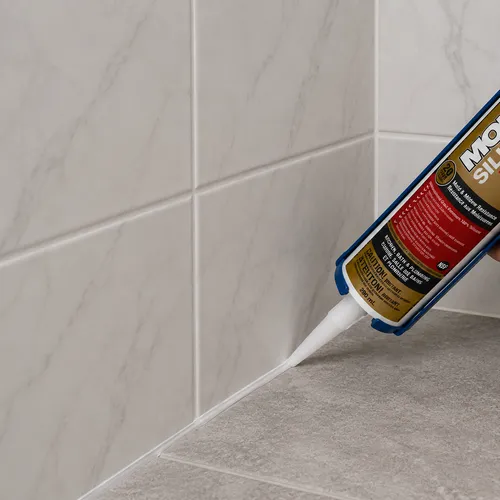
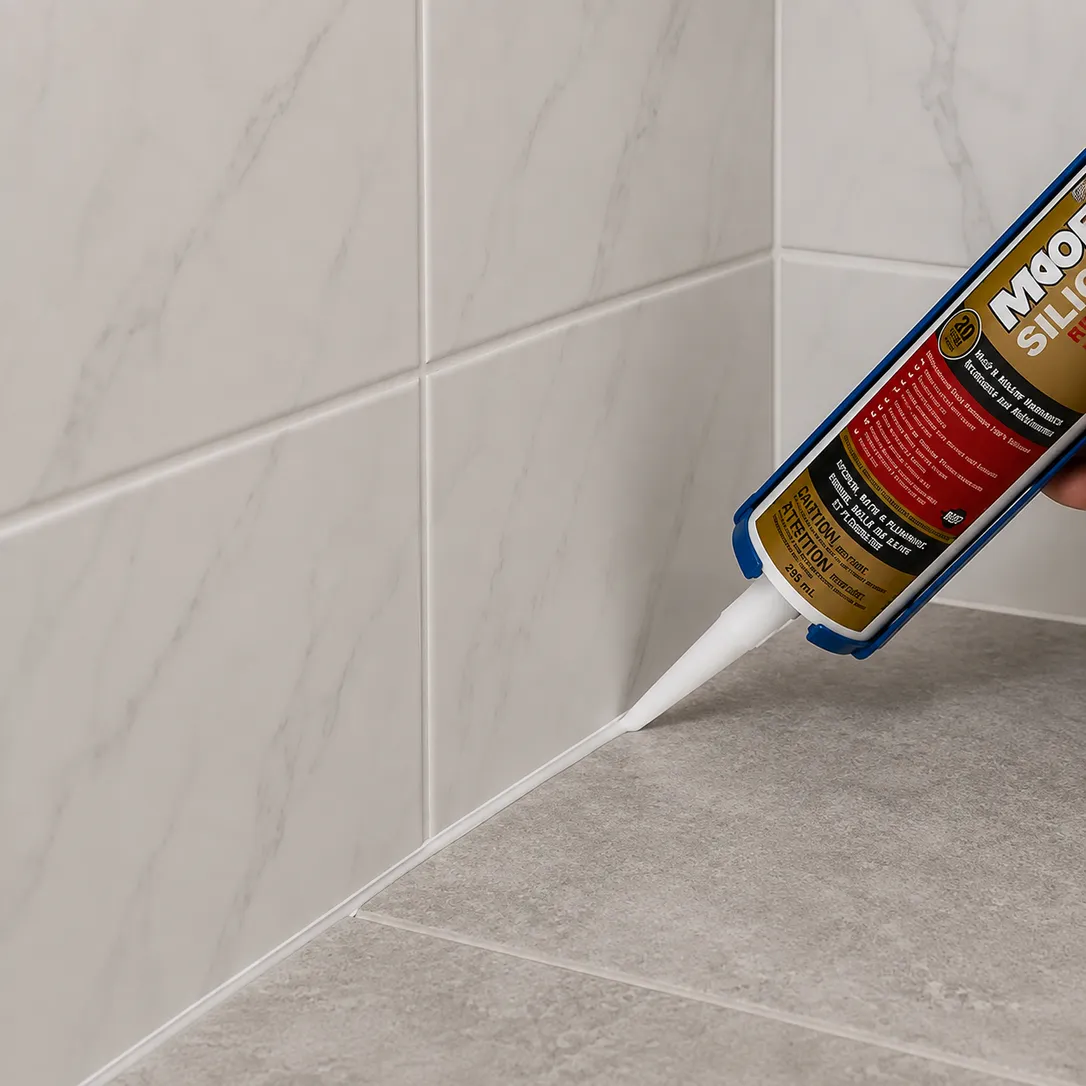
For suitable wet-area applications, bathroom-grade silicone designed to resist mold and mildew can be used to create a durable, flexible seal.

The correct product depends on the surface materials, joint location, and exposure to moisture.

When Should Caulk Be Replaced?

Re-caulking may be appropriate when existing caulk is cracked, peeling, separating from the surface, heavily discoloured, or no longer forming a continuous seal.

Addressing deteriorated caulk early can help keep the repair straightforward and reduce the chance of moisture reaching surrounding finishes.

Caulking Services for Homes and Condos

We provide selected caulking and re-caulking services for homeowners, landlords, property managers, and residential clients across Toronto and the GTA.

Need Re-Caulking in Toronto?

Send us photos of the area that needs re-caulking and let us know whether it is around a tub, shower, sink, vanity, countertop, or another surface.

Request a free estimate and we will review the project and help determine the appropriate next step.
Ready to Get Started?

Planning Your Caulking & Re-Caulking Project?

Share a few details about your project and request a free estimate from CanRenovation.

Get Free Estimate
Project Showcase

Our Recent Projects

Take a closer look at some of our Caulking & Re-Caulking work.

Caulking & Re-Caulking
Completed Work

Projects Featuring Caulking & Re-Caulking

See completed CanRenovation projects where this service was part of the work.

Common Areas for Caulking and Re-Caulking

CanRenovation provides caulking and re-caulking services in Toronto for bathrooms, kitchens, sinks, tubs, showers, countertops, and other residential areas where sealed joints need maintenance.

When caulk cracks, peels, discolours, or separates from the surface, the joint may no longer be properly sealed. Replacing worn caulk can help restore a cleaner finish and protect the surrounding area from everyday moisture.

Bathroom Caulking and Re-Caulking

Bathrooms are one of the most common areas where caulk needs periodic replacement because joints are regularly exposed to water, steam, cleaning products, and movement.

We can help with selected caulking around tubs, showers, sinks, vanities, and other bathroom fixtures.

Removing Old or Damaged Caulk

Good re-caulking starts with removing loose, cracked, or deteriorated material so the new sealant can bond properly to the surface.

The joint is then cleaned and prepared as appropriate before fresh caulk or silicone is applied.

Caulking Around Tubs and Showers

Tub and shower joints can develop gaps, cracks, peeling edges, or staining over time. Re-caulking these areas can improve the appearance of the bathroom and help maintain the seal around wet surfaces.

If your project also includes a glass enclosure, see our shower glass door installation service.

Sink, Vanity and Countertop Caulking

Caulking may also be used around sinks, vanity tops, backsplashes, and countertops to create a neat transition between adjoining surfaces.

For related bathroom work, explore our bathroom vanity installation service.

Mold- and Mildew-Resistant Bathroom Silicone

For suitable wet-area applications, bathroom-grade silicone designed to resist mold and mildew can be used to create a durable, flexible seal.

The correct product depends on the surface materials, joint location, and exposure to moisture.

When Should Caulk Be Replaced?

Re-caulking may be appropriate when existing caulk is cracked, peeling, separating from the surface, heavily discoloured, or no longer forming a continuous seal.

Addressing deteriorated caulk early can help keep the repair straightforward and reduce the chance of moisture reaching surrounding finishes.

Caulking Services for Homes and Condos

We provide selected caulking and re-caulking services for homeowners, landlords, property managers, and residential clients across Toronto and the GTA.

Need Re-Caulking in Toronto?

Send us photos of the area that needs re-caulking and let us know whether it is around a tub, shower, sink, vanity, countertop, or another surface.

Request a free estimate and we will review the project and help determine the appropriate next step.
Common Areas for Caulking and Re-Caulking

CanRenovation provides caulking and re-caulking services in Toronto for bathrooms, kitchens, sinks, tubs, showers, countertops, and other residential areas where sealed joints need maintenance.

When caulk cracks, peels, discolours, or separates from the surface, the joint may no longer be properly sealed. Replacing worn caulk can help restore a cleaner finish and protect the surrounding area from everyday moisture.

Bathroom Caulking and Re-Caulking

Bathrooms are one of the most common areas where caulk needs periodic replacement because joints are regularly exposed to water, steam, cleaning products, and movement.

We can help with selected caulking around tubs, showers, sinks, vanities, and other bathroom fixtures.

Removing Old or Damaged Caulk

Good re-caulking starts with removing loose, cracked, or deteriorated material so the new sealant can bond properly to the surface.

The joint is then cleaned and prepared as appropriate before fresh caulk or silicone is applied.

Caulking Around Tubs and Showers

Tub and shower joints can develop gaps, cracks, peeling edges, or staining over time. Re-caulking these areas can improve the appearance of the bathroom and help maintain the seal around wet surfaces.

If your project also includes a glass enclosure, see our shower glass door installation service.

Sink, Vanity and Countertop Caulking

Caulking may also be used around sinks, vanity tops, backsplashes, and countertops to create a neat transition between adjoining surfaces.

For related bathroom work, explore our bathroom vanity installation service.

Mold- and Mildew-Resistant Bathroom Silicone

For suitable wet-area applications, bathroom-grade silicone designed to resist mold and mildew can be used to create a durable, flexible seal.

The correct product depends on the surface materials, joint location, and exposure to moisture.

When Should Caulk Be Replaced?

Re-caulking may be appropriate when existing caulk is cracked, peeling, separating from the surface, heavily discoloured, or no longer forming a continuous seal.

Addressing deteriorated caulk early can help keep the repair straightforward and reduce the chance of moisture reaching surrounding finishes.

Caulking Services for Homes and Condos

We provide selected caulking and re-caulking services for homeowners, landlords, property managers, and residential clients across Toronto and the GTA.

Need Re-Caulking in Toronto?

Send us photos of the area that needs re-caulking and let us know whether it is around a tub, shower, sink, vanity, countertop, or another surface.

Request a free estimate and we will review the project and help determine the appropriate next step.
Common Areas for Caulking and Re-Caulking

CanRenovation provides caulking and re-caulking services in Toronto for bathrooms, kitchens, sinks, tubs, showers, countertops, and other residential areas where sealed joints need maintenance.

When caulk cracks, peels, discolours, or separates from the surface, the joint may no longer be properly sealed. Replacing worn caulk can help restore a cleaner finish and protect the surrounding area from everyday moisture.

Bathroom Caulking and Re-Caulking

Bathrooms are one of the most common areas where caulk needs periodic replacement because joints are regularly exposed to water, steam, cleaning products, and movement.

We can help with selected caulking around tubs, showers, sinks, vanities, and other bathroom fixtures.

Removing Old or Damaged Caulk

Good re-caulking starts with removing loose, cracked, or deteriorated material so the new sealant can bond properly to the surface.

The joint is then cleaned and prepared as appropriate before fresh caulk or silicone is applied.

Caulking Around Tubs and Showers

Tub and shower joints can develop gaps, cracks, peeling edges, or staining over time. Re-caulking these areas can improve the appearance of the bathroom and help maintain the seal around wet surfaces.

If your project also includes a glass enclosure, see our shower glass door installation service.

Sink, Vanity and Countertop Caulking

Caulking may also be used around sinks, vanity tops, backsplashes, and countertops to create a neat transition between adjoining surfaces.

For related bathroom work, explore our bathroom vanity installation service.

Mold- and Mildew-Resistant Bathroom Silicone

For suitable wet-area applications, bathroom-grade silicone designed to resist mold and mildew can be used to create a durable, flexible seal.

The correct product depends on the surface materials, joint location, and exposure to moisture.

When Should Caulk Be Replaced?

Re-caulking may be appropriate when existing caulk is cracked, peeling, separating from the surface, heavily discoloured, or no longer forming a continuous seal.

Addressing deteriorated caulk early can help keep the repair straightforward and reduce the chance of moisture reaching surrounding finishes.

Caulking Services for Homes and Condos

We provide selected caulking and re-caulking services for homeowners, landlords, property managers, and residential clients across Toronto and the GTA.

Need Re-Caulking in Toronto?

Send us photos of the area that needs re-caulking and let us know whether it is around a tub, shower, sink, vanity, countertop, or another surface.

Request a free estimate and we will review the project and help determine the appropriate next step.
Common Areas for Caulking and Re-Caulking

CanRenovation provides caulking and re-caulking services in Toronto for bathrooms, kitchens, sinks, tubs, showers, countertops, and other residential areas where sealed joints need maintenance.

When caulk cracks, peels, discolours, or separates from the surface, the joint may no longer be properly sealed. Replacing worn caulk can help restore a cleaner finish and protect the surrounding area from everyday moisture.

Bathroom Caulking and Re-Caulking

Bathrooms are one of the most common areas where caulk needs periodic replacement because joints are regularly exposed to water, steam, cleaning products, and movement.

We can help with selected caulking around tubs, showers, sinks, vanities, and other bathroom fixtures.

Removing Old or Damaged Caulk

Good re-caulking starts with removing loose, cracked, or deteriorated material so the new sealant can bond properly to the surface.

The joint is then cleaned and prepared as appropriate before fresh caulk or silicone is applied.

Caulking Around Tubs and Showers

Tub and shower joints can develop gaps, cracks, peeling edges, or staining over time. Re-caulking these areas can improve the appearance of the bathroom and help maintain the seal around wet surfaces.

If your project also includes a glass enclosure, see our shower glass door installation service.

Sink, Vanity and Countertop Caulking

Caulking may also be used around sinks, vanity tops, backsplashes, and countertops to create a neat transition between adjoining surfaces.

For related bathroom work, explore our bathroom vanity installation service.

Mold- and Mildew-Resistant Bathroom Silicone

For suitable wet-area applications, bathroom-grade silicone designed to resist mold and mildew can be used to create a durable, flexible seal.

The correct product depends on the surface materials, joint location, and exposure to moisture.

When Should Caulk Be Replaced?

Re-caulking may be appropriate when existing caulk is cracked, peeling, separating from the surface, heavily discoloured, or no longer forming a continuous seal.

Addressing deteriorated caulk early can help keep the repair straightforward and reduce the chance of moisture reaching surrounding finishes.

Caulking Services for Homes and Condos

We provide selected caulking and re-caulking services for homeowners, landlords, property managers, and residential clients across Toronto and the GTA.

Need Re-Caulking in Toronto?

Send us photos of the area that needs re-caulking and let us know whether it is around a tub, shower, sink, vanity, countertop, or another surface.

Request a free estimate and we will review the project and help determine the appropriate next step.